
From intricate carvings to whimsical motifs, fairy-tale decorative boxes transcend mere storage. These captivating objects, steeped in history and artistry, offer a glimpse into the past while inspiring contemporary design. The evolution of these boxes, from their cultural significance to modern interpretations, reveals a fascinating interplay of craftsmanship, symbolism, and aesthetic appeal.
This exploration delves into the historical context, materials, and craftsmanship behind fairy-tale decorative boxes. It examines the enduring themes and motifs that resonate across time, and considers how these boxes continue to captivate audiences with their unique functionality and visual appeal.
Historical Context of Decorative Boxes

From ancient civilizations to modern design, decorative boxes have served as more than mere containers. They reflect societal values, technological advancements, and cultural exchange. Their evolution mirrors the broader tapestry of human history, offering insights into aesthetics, craftsmanship, and the cultural significance attributed to storage and display. These boxes are not just objects; they are narratives etched in materials and design.The history of decorative boxes is a fascinating journey through time, showcasing a diverse array of materials, techniques, and cultural influences.
Each era has left its unique imprint on these portable treasures, transforming them into tangible artifacts of their time. These boxes, from intricate carvings to meticulously painted surfaces, tell stories of the past, revealing the artistic sensibilities and cultural values of the societies that created them.
Evolution of Materials and Techniques
Early decorative boxes, often found in archaeological digs, were crafted from readily available materials like wood, bone, and clay. As societies advanced, so did the complexity of their construction. The use of precious metals like gold and silver, inlaid with gems, emerged as a marker of wealth and status. More sophisticated techniques, such as enamel work, filigree, and marquetry, were developed, each contributing to the aesthetic richness of the boxes.
These advancements reflect the growing sophistication of craftsmanship and the availability of new materials. The evolution of these techniques allowed for a greater diversity of designs and intricate details, adding to the value and aesthetic appeal of the boxes.
Cultural Influences and Symbolism
Decorative boxes held diverse symbolic meanings across various cultures. In some societies, they served as containers for precious belongings, signifying wealth and status. In others, they were associated with rituals, ceremonies, or religious practices. Their intricate designs often incorporated symbolic motifs that conveyed cultural narratives, beliefs, and traditions. For example, the use of specific animals, flowers, or geometric patterns might hold particular meaning within a culture.
Examples of Historical Decorative Boxes
| Time Period | Culture | Material | Purpose |
|---|---|---|---|
| Ancient Egypt (3100 BCE – 30 BCE) | Egyptian | Wood, precious metals, ivory | Storage of valuable objects, display of status, religious offerings |
| Medieval Europe (5th–15th centuries) | European | Wood, metal, ivory | Storage of personal items, display of wealth, gifts |
| Renaissance Italy (14th–16th centuries) | Italian | Wood, ivory, precious metals, enamel | Storage of jewelry, personal items, gifts, and display of artistic skill |
| Qing Dynasty China (1644–1912) | Chinese | Lacquer, wood, jade | Storage of personal items, display of wealth and status, ceremonial use |
Materials and Craftsmanship
From intricate carvings to exquisite metalwork, the artistry of fairy-tale decorative boxes hinges on the skillful interplay of materials and craftsmanship. These boxes, often imbued with fantastical narratives, showcase the dexterity of artisans across different eras and cultures. The selection of materials and the application of techniques directly contribute to the overall aesthetic and historical significance of each piece.The meticulous craftsmanship in these boxes reveals a deep understanding of the materials’ properties, enabling artisans to create forms that mirror the ethereal narratives they portray.
This dedication to detail, combined with the choice of specific materials, elevates the boxes from mere containers to tangible embodiments of the imagination.
Common Materials
The materials employed in crafting fairy-tale decorative boxes varied significantly depending on the era and geographical location. Common materials included various types of wood, metals like brass, silver, and copper, and a range of embellishments such as gemstones, ivory, and mother-of-pearl. The selection of these materials was not arbitrary but rather carefully considered to achieve the desired aesthetic and symbolic resonance.
Woodworking Techniques
Intricate carvings, meticulously inlaid designs, and finely detailed joinery were common woodworking techniques. Carving techniques, from simple relief to elaborate bas-relief, were employed to create detailed representations of fantastical creatures, landscapes, or symbolic imagery. Inlaying techniques, often using contrasting wood types or colored materials, further enhanced the aesthetic appeal of the boxes. The precise joinery methods employed ensured structural integrity and a high level of craftsmanship.
Different wood types, such as walnut, mahogany, or cherry, contributed to the overall aesthetic, adding warmth, richness, or coolness to the piece, respectively.
Metalworking Techniques
Metalworking techniques, particularly in the embellishment of fairy-tale boxes, included repoussé, chasing, and filigree. Repoussé involved hammering metal from the reverse side to create a raised design, while chasing involved shaping the metal using tools to achieve intricate details. Filigree, a delicate technique of interwoven metal wires, often created intricate patterns or embellishments. The application of these techniques, particularly in the case of silver or brass, contributed significantly to the luxurious and detailed appearance of the boxes.
Painting and Decorative Techniques
The use of paints and decorative techniques, such as enamel painting, gilding, and lacquering, enriched the visual appeal of the boxes. Enamel painting allowed for vibrant colors and intricate patterns. Gilding, or the application of gold leaf, provided a sense of opulence and grandeur. Lacquering techniques, often applied in multiple layers, created a protective coating while also adding visual depth and richness to the overall aesthetic.
Significance of Materials
The choice of wood type, metal, and embellishments played a crucial role in defining the fairy-tale aesthetic. Darker woods, such as ebony, often suggested mystery and intrigue, while lighter woods like maple evoked a sense of purity and grace. The use of precious metals like gold or silver contributed to the luxurious aura associated with these boxes. Embellishments like gemstones, ivory, or mother-of-pearl added a touch of magic and wonder.
Crafting Methods
| Material | Technique | Aesthetics | Example |
|---|---|---|---|
| Walnut Wood | Carving | Intricate detail, dark rich tone | A box depicting a mythical forest scene |
| Brass | Repoussé | Luxurious, raised design | A box with a raised depiction of a dragon |
| Silver | Filigree | Delicate, intricate patterns | A box with a filigree design of a mythical bird |
| Mother-of-Pearl | Inlay | Opalescent sheen, delicate beauty | A box with mother-of-pearl inlay depicting a celestial scene |
Fairy-Tale Themes and Motifs
![Fairy Design Gallery [Slideshow]](https://eventsdepot.web.id/wp-content/uploads/2025/07/Fairy-fairys-25140763-2560-1856.jpg "Fairy Design Gallery [Slideshow]")
Decorative boxes, often imbued with narrative, frequently draw inspiration from the rich tapestry of fairy tales. These miniature stories, meticulously crafted from various materials and adorned with intricate motifs, reflect the enduring appeal of these timeless narratives. The aesthetic choices made in their design often mirror the emotional and symbolic weight inherent in the fairy-tale themes.The incorporation of fairy-tale themes into decorative boxes serves as a visual representation of the stories themselves, transforming the narrative into a tangible object.
This translation often involves a simplification of the complex themes, concentrating on easily recognizable motifs and symbols.
Common Fairy-Tale Themes
Fairy tales often explore universal themes like good versus evil, the triumph of love, and the importance of resilience. These themes are frequently woven into the designs of decorative boxes, visually representing the emotional weight and moral lessons of the stories. The stories are condensed and simplified to fit the aesthetic of the boxes.
Incorporated Themes in Aesthetics
The aesthetic of the boxes often reflects the particular theme of the fairy tale. For example, boxes designed around tales of good versus evil might feature contrasting colors and imagery, symbolizing the conflict. Boxes focused on the triumph of love might incorporate delicate floral motifs and soft pastel colors. Boxes emphasizing the journey of resilience might showcase strong, stylized animal figures or scenes of overcoming obstacles.
Specific Motifs and Symbolic Meanings
Fairy-tale decorative boxes frequently incorporate motifs like flowers, animals, and mythical creatures, each holding specific symbolic weight within the context of the fairy tale.
- Flowers, particularly roses, lilies, and violets, often symbolize love, beauty, and purity. Their presence in a box design can evoke feelings of romance and innocence. For instance, a box featuring a rose motif might allude to a story of true love or a princess’s purity.
- Animals, like birds, cats, or wolves, can represent various traits, such as loyalty, cunning, or even caution. The specific animal and its portrayal within the design will convey the intended message. A box featuring a loyal dog might evoke a story of faithfulness or protection.
- Mythical Creatures, such as dragons, unicorns, or fairies, add a touch of magic and wonder to the box’s design. These motifs often represent power, grace, or otherworldly qualities. A box adorned with a unicorn might allude to stories of purity and enchantment.
Relationship Between Illustrations and Designs
The designs of decorative boxes often draw inspiration from the illustrations of fairy tales. Illustrators, often capturing the essence of the story through their artwork, establish visual representations that the boxes frequently mimic. These illustrations, which may have been the original source of inspiration, inform the motifs and colors used in the decorative box design.
Motifs in Decorative Boxes
The following table showcases how these motifs are used in decorative boxes, highlighting their themes, descriptions, and examples. Bear in mind that the exact symbolic meaning can vary depending on the specific fairy tale and artistic interpretation.
| Theme | Motif | Description | Example Image |
|---|---|---|---|
| Love and Beauty | Roses | Delicate, often vibrant red roses, possibly with accompanying foliage, used to represent love and beauty. | A miniature box featuring a vibrant red rose motif, detailed with small leaves, creating an overall romantic impression. |
| Courage and Resilience | Lion | A stylized lion, often in a powerful pose, symbolizing courage, strength, and resilience. | A decorative box featuring a sculpted lion in a protective stance, with intricate detailing, conveying a sense of strength and bravery. |
| Magic and Wonder | Unicorn | A graceful unicorn, often depicted in a majestic pose, symbolizing magic, purity, and enchantment. | A small box showcasing a delicate unicorn, adorned with flowing mane and tail, conveying a sense of wonder and ethereal beauty. |
| Good vs. Evil | Dragon vs. Dove | A dragon, representing evil, contrasted with a dove, representing good. | A box with a powerful dragon motif facing off against a delicate dove motif, emphasizing the conflict between good and evil. |
Modern Interpretations and Designs

Contemporary designers are reimagining fairy-tale decorative boxes, drawing inspiration from historical examples while embracing modern aesthetics and materials. This evolution reflects a broader trend in design, where traditional motifs are reinterpreted for a contemporary audience, infusing them with fresh perspectives and innovative techniques. This fusion of tradition and modernity results in objects that are both aesthetically pleasing and culturally relevant.Modern interpretations of fairy-tale decorative boxes often feature a unique blend of historical elements and contemporary design sensibilities.
These reinterpretations frequently involve a conscious effort to modernize the look and feel of the original designs while maintaining the essence of the fairy-tale themes.
Comparison with Historical Examples
Modern fairy-tale boxes often echo the craftsmanship and artistry of historical pieces, but they incorporate contemporary design elements. For instance, while historical boxes might have emphasized intricate carvings, modern interpretations might incorporate laser-cut designs or 3D printing, creating a new visual vocabulary. The use of materials like resin, acrylic, or even recycled plastics, while not as common in the past, demonstrates a sustainability-focused approach.
Contemporary Design Trends
Several trends are evident in modern fairy-tale decorative boxes. Minimalism is prominent, characterized by clean lines and a focus on the core fairy-tale imagery. Furthermore, a surge in nature-inspired designs, incorporating botanical motifs and natural materials, mirrors a broader trend in contemporary aesthetics. A focus on sustainable and ethical sourcing of materials is also evident, demonstrating a growing awareness of environmental impact in design.
Contemporary Materials and Techniques
The application of contemporary materials and techniques allows for greater flexibility and innovation in design. For example, laser-cutting techniques allow for intricate patterns and designs that were impossible to achieve with traditional methods. 3D printing enables the creation of complex forms and textures, opening up a new realm of possibilities for shaping and embellishing the boxes. Modern materials like resin and acrylic provide a wide range of color options and finishes, enabling a broader range of artistic expression.
Adaptation of Traditional Themes
Modern artists adapt traditional fairy-tale themes to resonate with contemporary audiences. The themes of magic, transformation, and wonder remain, but their presentation is often more abstract or symbolic. Modern interpretations might reimagine a classic fairy-tale character in a contemporary setting, or use abstract shapes and colors to evoke the essence of a particular tale.
Use of Technology in Digital Design
Technology plays a significant role in creating digital fairy-tale decorative boxes. Digital design tools allow for precise and detailed creations, enabling artists to explore intricate patterns and designs previously unimaginable. Digital rendering software allows for a virtual prototyping phase, enabling artists to experiment with different designs and materials before committing to physical production.
Examples of Modern Interpretations
| Era | Design Elements | Techniques | Modern Examples |
|---|---|---|---|
| Early 21st Century | Minimalist, nature-inspired | Laser-cut, 3D printing | A box featuring a stylized silhouette of a forest creature, laser-cut from sustainably sourced wood |
| Mid-21st Century | Abstract, symbolic | Resin casting, digital design | A box representing a fairy tale transformation using abstract shapes and colors, with a resin finish |
| Late 20th Century | Bold colors, geometric patterns | Acrylic painting, mixed media | A box inspired by a specific fairy tale, featuring bold colors and geometric patterns, painted on wood |
| Contemporary | Sustainable materials, intricate details | Digital modeling, 3D printing, laser engraving | A box made from recycled materials, with laser-engraved intricate patterns representing a fairy tale, 3D-printed decorative accents |
Functionality and Storage
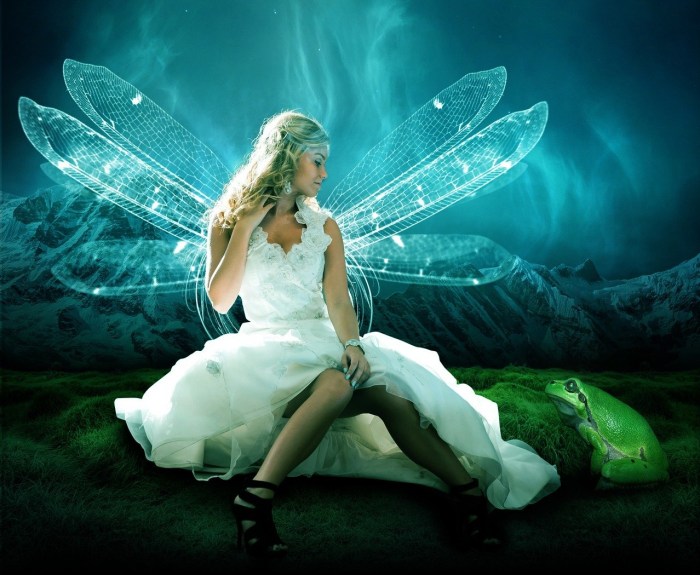
Fairy-tale decorative boxes, beyond their aesthetic appeal, are designed with specific storage needs in mind. Their functionality often mirrors the narrative and themes of the stories they represent, seamlessly blending form and function. This intricate relationship between design and use underscores the importance of practical considerations in these decorative pieces.The design of a fairy-tale decorative box is often carefully crafted to enhance its storage capacity and usability.
This includes not only the size and shape but also the mechanisms for opening and closing, and the thoughtful organization of interior space. Clever design solutions can transform a simple box into a multi-functional piece that seamlessly integrates into a variety of settings.
Storage Capacity and Dimensions
The size and shape of fairy-tale decorative boxes directly impact their storage capabilities. Miniature boxes, often in the form of miniature castles or enchanted chests, are ideal for holding small trinkets, jewelry, or precious mementos. Larger boxes, resembling houses or carriages, can accommodate more substantial items like scarves, gloves, or other personal accessories. The varying dimensions and shapes are tailored to the needs of the intended contents.
This adaptability highlights the design consideration of storage capacity.
Design for Ease of Access
The mechanisms for opening and closing fairy-tale decorative boxes are crucial to their functionality. A well-designed lid, with intricate carvings or hinges inspired by fairy-tale imagery, ensures smooth and secure closure. The use of clasps, latches, or other decorative closures adds an extra layer of security and charm, and also enhances the box’s visual appeal. Ease of opening and closing is vital for practical use.
Interior Organization and Display
The interior space of a fairy-tale decorative box can be thoughtfully organized to maximize storage and display. Dividers, compartments, or even built-in shelves can enhance the presentation of the items stored inside. Careful consideration of the arrangement and positioning of items within the box enhances the aesthetic and functionality of the decorative piece. The organization of the interior directly impacts the overall visual appeal of the box.
Examples of Storage Solutions
| Size | Shape | Functionality | Storage Examples |
|---|---|---|---|
| Small | Enchanted Chest | Holding small trinkets, jewelry | Rings, earrings, charms, coins |
| Medium | House | Storing personal accessories, scarves, gloves | Scarves, gloves, small books, handkerchiefs |
| Large | Carriage | Storing various personal belongings, stationery | Stationery, writing implements, small books, photographs |
| Extra Large | Castle | Storing large collections of trinkets, souvenirs | Souvenirs, postcards, collectible figurines, small toys |
Visual Appeal and Aesthetics
Fairy-tale decorative boxes, beyond their practical function, are powerful vessels of visual storytelling. Their aesthetic appeal draws on a rich tapestry of color, texture, pattern, and light, all carefully orchestrated to evoke the magic and wonder inherent in the narratives they represent. The visual elements are as crucial to the box’s success as the historical context or the materials used.The visual design of a fairy-tale box speaks volumes about its intended narrative and target audience.
A harmonious interplay of form and function, color and texture, contributes to a captivating overall aesthetic. Sophisticated use of these elements can transform a simple box into a captivating piece of art.
Color Palettes
Color palettes play a critical role in evoking specific fairy-tale moods. Muted pastels, such as lavender, rose, and mint green, often suggest a delicate and whimsical atmosphere, reminiscent of enchanted forests and gentle fairy creatures. Vibrant hues like sapphire blue and ruby red might evoke a sense of grandeur and magic, perhaps symbolizing powerful enchantments or mystical creatures.
The selection of colors can create a direct connection to the fairy-tale themes, subtly influencing the viewer’s emotional response. For instance, a box designed for a “Sleeping Beauty” theme might feature a palette of deep purples and rosy pinks to reflect the slumbering princess.
Textures and Patterns
Intricate textures and patterns further amplify the visual appeal. Smooth, polished surfaces might suggest a refined and luxurious feel, befitting a royal princess’s treasure box. Rough, textured surfaces, on the other hand, might represent the ruggedness of a forest or the rough-hewn craftsmanship of a wood-carved box. Patterns, like floral motifs or intricate lacework, can add a touch of elegance and detail, creating a sense of depth and complexity.
For example, a box featuring a forest scene might incorporate a textured wood finish with embossed patterns of leaves and vines.
Light and Shadow
The interplay of light and shadow is crucial in showcasing the detailed carvings and intricate patterns. Strategic use of light can highlight specific design elements, drawing attention to the artistry and craftsmanship. A well-placed spotlight or the subtle play of natural light can transform the box from a simple object to a dynamic and captivating piece of art.
Shadowing can add depth and dimension, enhancing the visual impact of the carvings and textures. The box’s shape itself can also influence the play of light and shadow.
Decorative Elements
Various decorative elements can further enhance the fairy-tale theme. Tiny figurines, intricate carvings of mythical creatures, or delicate painted scenes can add a layer of narrative depth. Metallic accents, like gold or silver, can suggest opulence and magic, mirroring the preciousness of the contents within. A box designed for a “Cinderella” theme might incorporate a glass slipper charm or a stylized representation of a pumpkin carriage.
Form and Function
The interplay between form and function is essential in creating a visually appealing design. A box that is pleasing to the eye but inconvenient to use will not achieve its full potential. The form should complement the function, while the function should not compromise the aesthetic appeal. For instance, a box designed to hold delicate jewelry should have a secure closure, while its shape and decoration should still reflect the fairy-tale theme.
Visual Appeal Elements
| Color | Texture | Pattern | Visual Effect |
|---|---|---|---|
| Muted pastels (lavender, rose) | Smooth, polished | Floral motifs | Delicate, whimsical, elegant |
| Vibrant hues (sapphire blue, ruby red) | Rough, textured | Intricate lacework | Grand, magical, detailed |
| Deep purples, rosy pinks | Wood grain | Forest scene carvings | Mysterious, rich, narrative |
| Gold, silver | Metallic accents | Mythical creature carvings | Opulent, magical, detailed |
Marketing and Pricing Strategies
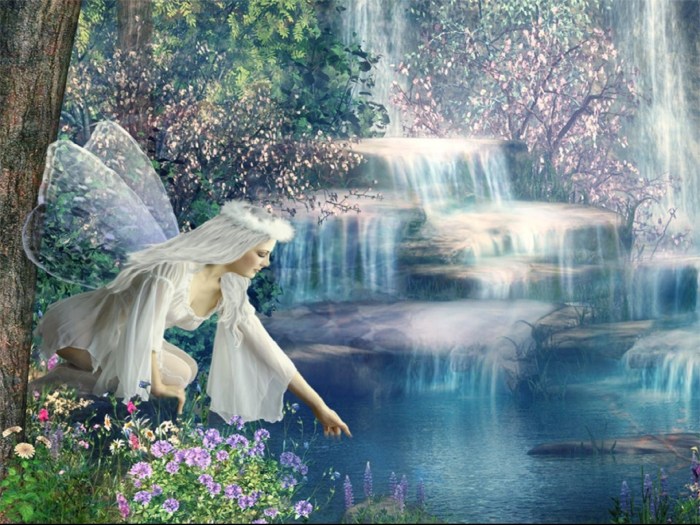
Fairy-tale decorative boxes, imbued with nostalgic charm and intricate craftsmanship, present a unique opportunity for both artisans and retailers. Effective marketing and pricing strategies are crucial for maximizing profitability and appealing to the target audience. Successful campaigns must leverage the aesthetic appeal and emotional connection with the fairy-tale theme while acknowledging the varying price points and consumer preferences.The allure of these boxes lies not only in their visual appeal but also in the stories they evoke.
A strong marketing strategy needs to tap into this emotional resonance, connecting the product to the broader cultural narrative of fairytales. Pricing, too, must be meticulously calibrated to reflect the value proposition of each box, from simple, mass-produced designs to exquisitely hand-crafted masterpieces.
Marketing Strategies
Crafting a successful marketing strategy for fairy-tale decorative boxes necessitates a nuanced understanding of the target audience. This understanding should extend beyond demographics to encompass cultural preferences and emotional responses to the fairy-tale aesthetic. Utilizing social media platforms, particularly Instagram and Pinterest, is vital for showcasing the visual appeal of the boxes. Collaborations with lifestyle bloggers and influencers specializing in home décor can significantly amplify reach and generate buzz.
Targeted advertising campaigns, tailored to specific interests and demographics, can further refine the marketing strategy.
Pricing Strategies
Pricing strategies for fairy-tale decorative boxes must consider a multitude of factors. The materials used—whether precious metals, intricate woods, or fine porcelain—play a critical role in determining the price. The complexity of the craftsmanship, from intricate carvings to hand-painted details, also directly impacts the final price. Design complexity, including the level of detail and embellishments, influences the pricing structure.
For example, a simple box crafted from wood might retail for $25, while a more elaborate box, meticulously hand-painted with detailed fairy-tale scenes and using precious metals, could fetch $500 or more.
Packaging and Presentation
Packaging and presentation are pivotal in enhancing the perceived value of the boxes. A visually appealing and well-designed box, featuring elegant graphics and a narrative that connects to the fairy-tale theme, elevates the product’s perceived worth. This reinforces the emotional connection and underscores the craftsmanship behind the item. High-quality presentation materials, such as custom-designed boxes and tissue paper, can elevate the experience for the buyer.
For example, a plain cardboard box might not evoke the same sense of wonder as a beautifully designed, custom-printed box lined with silk or velvet.
Tailoring Marketing Strategies
Tailoring marketing strategies for various target audiences is essential. A collector of antique and vintage items might be drawn to a box with a historical context. A young family might be interested in a whimsical design featuring popular fairy-tale characters. A discerning interior decorator might appreciate the aesthetic qualities of a meticulously crafted piece, particularly if it fits their design style.
Understanding these nuanced preferences allows for targeted marketing that resonates with each specific segment.
Pricing Models
Pricing models for fairy-tale boxes can vary significantly. Mass-produced boxes, often with simpler designs and readily available materials, employ a lower price point to attract a wider audience. Hand-crafted boxes, with intricate details and rare materials, command a higher price due to the increased labor and resource costs. This disparity in pricing must be transparent and well-communicated to the customer, highlighting the unique value proposition of each product.
For example, a set of four miniature boxes, featuring different fairy-tale characters, might be priced lower than a single, large, exquisitely carved box.
Table of Marketing and Pricing Strategies
| Target Audience | Marketing Strategy | Pricing Model | Packaging |
|---|---|---|---|
| Collectors of antique and vintage items | Highlight historical context, emphasize craftsmanship, use antique-themed imagery | Premium pricing based on rarity and historical value | Custom-designed, antique-inspired boxes with archival-quality materials |
| Young families | Focus on whimsical designs, popular fairy-tale characters, and family-friendly themes | Mid-range pricing | Colorful, child-friendly boxes with vibrant graphics |
| Interior decorators | Showcase aesthetic qualities, emphasize design details, feature high-quality photography | Premium pricing for high-quality materials and craftsmanship | Elegant, sophisticated boxes that complement home décor |
| Mass market | Utilize social media, influencer collaborations, and targeted advertising | Lower-range pricing to attract a broad customer base | Simple, attractive packaging that emphasizes the visual appeal of the box |
Environmental Considerations
The escalating demand for sustainable practices across various industries extends to the intricate world of handcrafted decorative boxes. Consumers are increasingly conscious of the environmental impact of their purchases, demanding products crafted with ethical sourcing and responsible manufacturing. This necessitates a careful evaluation of materials, production processes, and packaging to minimize the ecological footprint of these beautiful artifacts.Sustainable practices are crucial for the long-term viability of the fairy-tale box market, ensuring that these exquisite creations can continue to be enjoyed for generations without compromising the planet’s health.
This involves meticulous attention to the lifecycle of each material, from its origin to its final disposal.
Sustainable Materials and Practices
The selection of materials plays a pivotal role in minimizing the environmental footprint of fairy-tale boxes. Choosing sustainable alternatives to traditional materials like hardwoods is essential. This includes exploring options such as bamboo, recycled paper, or sustainably harvested wood veneers. Furthermore, incorporating recycled or reclaimed materials adds a unique character and enhances the narrative of the box.
This demonstrates a commitment to resource conservation and reduces the demand for virgin resources.
Ethical Sourcing of Materials
Ethical sourcing is paramount. Suppliers must adhere to fair labor practices, ensuring that the raw materials are obtained without exploiting workers or damaging ecosystems. This includes verifying the origin of materials, supporting communities, and ensuring responsible forest management practices. Transparency in the supply chain allows consumers to make informed choices and supports ethical production. For example, partnering with certified wood suppliers guarantees that the wood comes from responsibly managed forests.
Waste Reduction in Manufacturing
Minimizing waste during the manufacturing process is critical. Strategies like optimizing material use, employing precision cutting techniques, and reusing or repurposing scrap materials are essential. Implementing lean manufacturing principles can significantly reduce waste and increase efficiency. For instance, using laser cutting to precisely shape materials can minimize the amount of offcuts.
Eco-Friendly Packaging
Packaging choices should align with the sustainability principles of the boxes themselves. Using recycled and recyclable materials for packaging is a vital step. Minimizing the use of plastic is also crucial. Innovative designs can effectively reduce packaging volume and weight. For example, using biodegradable or compostable materials for inner cushioning and outer wrapping demonstrates a commitment to reducing plastic consumption.
Comparison of Eco-Friendly Materials
The choice of eco-friendly materials should be evaluated based on factors such as their renewability, recyclability, and impact on water and air quality during manufacturing. Bamboo, known for its rapid growth and biodegradability, presents a strong alternative to wood. Recycled paper and cardboard offer an excellent option for crafting the boxes’ structural components and decorative elements. Furthermore, the use of sustainably harvested wood veneers provides a more traditional aesthetic while minimizing the demand for whole logs.
Environmentally Conscious Manufacturing Methods
| Material | Sustainability | Manufacturing | Packaging |
|---|---|---|---|
| Bamboo | Rapidly renewable, low water consumption | Minimal waste in machining, bio-based glue | Recycled cardboard, biodegradable film |
| Recycled Paper | Reduced deforestation, lower carbon footprint | Minimal energy consumption in printing and die-cutting | Recyclable kraft paper, compostable inserts |
| Recycled Cardboard | Reduced landfill waste, lower energy demand | Waste minimization in processing, use of recycled ink | Recyclable cardboard, biodegradable sealant |
| Sustainable Wood Veneer | Forest management certification, reduced deforestation | Precise cutting, minimized waste of raw wood | Recycled paper, biodegradable plastic-free inserts |
Ultimate Conclusion
Fairy-tale decorative boxes, a fusion of artistry and practicality, offer a captivating journey through time and design. From their historical roots to modern interpretations, these boxes stand as testaments to human creativity and the enduring appeal of stories and aesthetics. The interplay of historical influences, contemporary design, and sustainable practices ensures these treasures will continue to delight and inspire for generations to come.
