
Handcrafted trays, far from mere serving vessels, are statements of artistry and meticulous craftsmanship. Their unique appeal lies not just in their aesthetic beauty but also in the stories woven into each piece, reflecting the skill and dedication of the artisans who create them. From the delicate carvings to the carefully selected materials, these trays tell tales of tradition and innovation.
This in-depth exploration delves into the world of handcrafted trays, examining everything from their diverse design styles and materials to the intricacies of their production and the factors influencing their market value. We’ll uncover the nuances that set them apart from mass-produced alternatives and explore the growing demand for these unique and valuable pieces.
Defining Handcrafted Trays
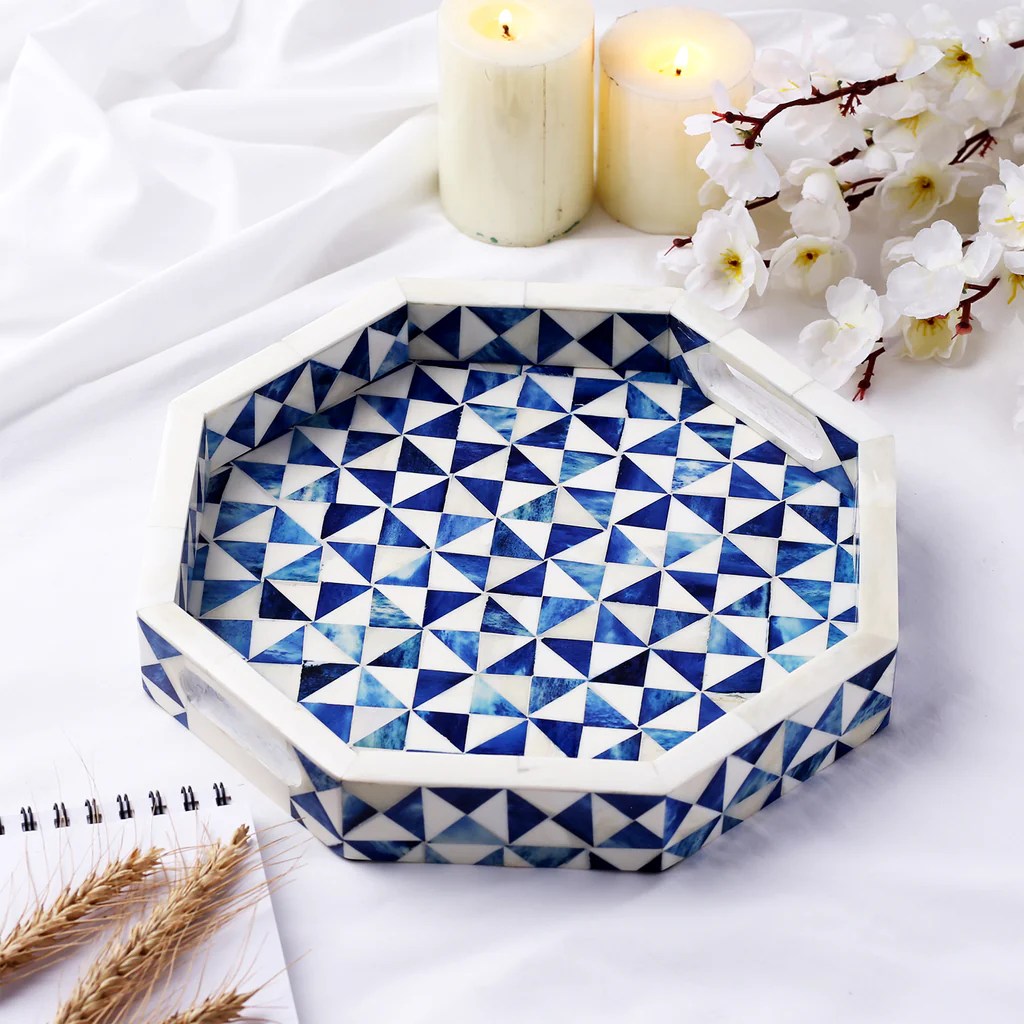
Handcrafted trays represent a departure from mass-produced counterparts, embodying a unique blend of artistry, meticulous craftsmanship, and personalized design. These trays transcend mere functional objects, becoming expressions of artistic vision and cultural heritage. They offer a tangible connection to the maker’s skill and passion, differentiating them from the standardized products of industrial processes.The defining characteristic of a handcrafted tray is its individuality.
Each piece is a testament to the maker’s skill and creative process, resulting in a unique aesthetic and often, a distinctive patina or character that evolves over time. This contrasts sharply with the uniform appearance and lack of inherent personality often found in mass-produced trays.
Materials Used in Handcrafted Trays
A diverse range of materials are employed in the creation of handcrafted trays. The selection of material often dictates the final aesthetic and functionality of the tray.
- Wood: From solid hardwoods like walnut or maple to exotic woods like ebony or rosewood, wood offers a rich and warm aesthetic. The grain patterns and colors of different woods contribute significantly to the tray’s visual appeal. Each piece of wood presents unique characteristics, influencing the final look and feel.
- Metal: Metals like copper, brass, and pewter provide a lustrous and durable surface. The application of techniques like hammering, embossing, or etching can create intricate designs and patterns. The warm tones of copper, for instance, can complement a variety of decorative styles.
- Ceramic: Ceramic trays exhibit a unique combination of strength and artistry. Hand-thrown techniques, glazing, and intricate designs create unique, decorative pieces. The use of different glazes can produce a wide spectrum of colors and textures, from matte finishes to glossy surfaces.
- Stone: Natural stone, such as marble or slate, lends a timeless elegance to handcrafted trays. The inherent veining and patterns of the stone make each piece a unique work of art. The selection of stone type influences the overall aesthetic and weight of the tray.
Techniques Employed in Handcrafted Tray Making
The techniques employed in crafting handcrafted trays vary significantly, influencing the final appearance and quality of the piece.
- Carving: Carving techniques allow for the creation of intricate designs and patterns directly into the material. This process demands precision and a deep understanding of the material’s properties.
- Etching: Etching, typically used with metal trays, creates detailed patterns and designs by removing portions of the surface material. The resulting design often stands out sharply against the remaining metal.
- Inlay: Inlay techniques involve the insertion of contrasting materials into the main material of the tray. This creates a layered effect, adding depth and visual interest to the design.
- Turning: Wood turning techniques are often used to create intricate shapes and patterns on trays, giving them a sculptural quality.
Aesthetic Considerations in Handcrafted Tray Design
The aesthetic design of handcrafted trays is crucial in determining their appeal and value.
- Shape and Size: The shape and size of the tray directly impact its functionality and aesthetic appeal. Considerations include the intended use of the tray, the overall space in which it will be placed, and the desired visual effect.
- Color and Texture: The interplay of color and texture contributes to the visual interest and character of the tray. These elements are often carefully selected to complement the intended environment and enhance the overall aesthetic.
- Design and Pattern: The design and pattern of a handcrafted tray are often deeply symbolic or reflect the maker’s unique artistic vision. Intricate designs or simple patterns can each contribute to the overall aesthetic and appeal.
- Materials and Finishes: The choice of materials and finishes directly influences the overall aesthetic and durability of the tray. Materials like wood, metal, and ceramic each offer unique visual characteristics and tactile qualities.
Types of Handcrafted Trays

Handcrafted trays, beyond their aesthetic appeal, serve diverse functions in modern homes and businesses. Understanding the various types, styles, and dimensions allows for informed selection based on specific needs and design preferences. From elegant serving pieces to practical storage solutions, the versatility of handcrafted trays is undeniable.Handcrafted trays encompass a wide spectrum of designs, catering to a multitude of uses.
Their versatility extends from serving as a centerpiece for a dining table to providing organized storage for household items. Distinguishing factors like material, style, and intended use are key to appreciating the nuanced appeal of each type.
Serving Trays
Serving trays, often crafted from wood, metal, or ceramic, are designed for the presentation and transport of food and drinks. Their sizes and shapes vary significantly depending on the intended use. For example, a small, rectangular tray might be ideal for appetizers, while a larger, round tray could accommodate a platter of main courses. Functionality is paramount in this category.
- Size and Shape Variety: Serving trays are available in a broad range of sizes and shapes, from compact rectangular or square trays to expansive round or oval designs. The size and shape directly correlate with the amount of food and items they can hold, making this a key consideration for their use.
- Material Choices: Materials like polished wood, stainless steel, or ceramic are popular choices for serving trays, each offering distinct aesthetic and practical qualities. Wood trays often exude a rustic charm, while metal trays provide a modern, sleek look. The material choice also impacts durability and maintenance.
- Handles and Features: Some serving trays incorporate handles or other features for ease of transport, like indented edges or built-in supports, further enhancing their functionality. These elements enhance the user experience, particularly when transporting food or beverages.
Decorative Trays
Decorative trays are primarily intended to enhance the visual appeal of a space. Their style and design often complement the overall aesthetic of a room. They can be used to hold decorative items like candles, flowers, or small sculptures, transforming a tabletop into a focal point.
- Style and Design: Decorative trays are available in a wide array of styles, from rustic to modern, vintage, and more. The styles often incorporate intricate patterns, textures, and finishes, reflecting the intended aesthetic.
- Material Variety: These trays can be crafted from various materials, including wood, metal, ceramic, or even woven materials. The choice of material greatly influences the tray’s visual appeal and the overall ambiance it creates in a room.
- Size and Shape: The sizes and shapes of decorative trays are often smaller than serving trays and may be more focused on aesthetics. The subtle nature of these trays often enhances rather than dominates the surroundings.
Storage Trays
Storage trays are specifically designed for organizing and storing items in a decorative and functional manner. They can be used to hold books, magazines, or other household items. Their versatility extends to holding items on a desk or in a drawer. The size and style often depend on the space where they are placed.
- Size and Shape Considerations: The size and shape of storage trays are often dictated by the items they will contain and the space available. Rectangular trays might be suitable for organizing books or papers, while larger oval trays could be used for holding various decorative items or smaller storage items.
- Material Selection: The material used for storage trays significantly impacts both the tray’s aesthetic and its durability. For example, wooden trays often lend a warm and natural feel, while metal trays offer a clean and modern aesthetic.
- Practicality: Storage trays are primarily focused on functionality. The design often prioritizes ease of use, making it convenient to store and retrieve items from the tray.
Common Sizes and Shapes
Handcrafted trays are available in a wide variety of sizes and shapes. Standard sizes often include small, medium, and large options for each type, while shapes vary from rectangular, square, round, and oval. Custom designs are also prevalent.
| Type | Size | Shape |
|---|---|---|
| Serving | Small (12″ x 18″) to Large (24″ x 36″) | Rectangular, Oval, Round |
| Decorative | Small (6″ x 8″) to Medium (12″ x 16″) | Rectangular, Square, Round, Oval |
| Storage | Small (8″ x 10″) to Large (18″ x 24″) | Rectangular, Square, Oval |
Unique Features
The distinguishing features of handcrafted trays often lie in the meticulous details, such as the use of unique materials, hand-carved patterns, or inlaid designs. These features add a personal touch and set each tray apart. These handcrafted details enhance the visual appeal and create a sense of individuality.
Materials and Techniques
Handcrafted trays, a testament to artistic skill and enduring design, are crafted from a diverse array of materials, each contributing to the unique aesthetic and functional properties of the final product. The choice of material, coupled with the shaping and finishing techniques employed, significantly impacts the tray’s longevity, beauty, and overall appeal. Understanding these elements is crucial for appreciating the artistry and craftsmanship behind each piece.The selection of materials and the execution of techniques are intertwined, influencing everything from the tray’s initial form to its final, polished appearance.
Different materials offer distinct advantages in terms of durability, aesthetic qualities, and cost, while various techniques allow artisans to manipulate these materials to achieve specific visual effects. Furthermore, the environmental impact of the materials chosen plays a crucial role in the sustainability of the craft.
Material Properties
The choice of material directly affects the tray’s overall characteristics. Wood, for instance, offers a wide range of aesthetic possibilities, from the warm tones of cherry to the rich grain of walnut. Different types of wood vary in their durability, with hardwoods like maple and oak generally outlasting softer woods like pine. Furthermore, the cost of materials like exotic hardwoods can significantly impact the price of the finished tray.
Metal trays, often crafted from copper, brass, or pewter, exhibit exceptional durability and a timeless aesthetic. Their inherent strength and ability to withstand daily use make them a popular choice for serving or decorative purposes. However, the cost of metals can fluctuate depending on the market value of the raw materials. Stone, particularly marble or slate, offers a luxurious, cool touch with unique patterns and textures.
While durable, stone trays require specialized handling and may be more costly than wooden or metal alternatives. The aesthetic qualities of each material contribute to the tray’s visual appeal.
Shaping Techniques
A variety of techniques are employed in shaping handcrafted trays, each contributing to the unique character of the final product. Carving, a meticulous process of removing material, allows for intricate designs and patterns to be sculpted into the tray. The skilled artisan’s ability to manipulate the material is evident in the intricate detail of the carved tray. Inlaying, a technique of embedding decorative materials like mother-of-pearl or precious stones into the surface of the tray, adds visual depth and sophistication.
This technique requires precision and artistry to achieve the desired effect. Polishing, a crucial step in the finishing process, enhances the surface’s sheen and luster, highlighting the natural beauty of the material. For instance, a polished wooden tray gleams with an attractive sheen.
Finishing Techniques
The finishing techniques used in handcrafted tray production play a vital role in the longevity and aesthetic appeal of the tray. A skilled artisan applies a variety of techniques, from polishing to sealing, to ensure the tray’s durability and aesthetic quality. For example, a lacquer finish on a wooden tray provides a protective barrier against moisture and wear.
Similarly, the use of a wax sealant on a metal tray can help to prevent tarnishing and enhance its luster.
Environmental Considerations
The environmental impact of the materials used in handcrafted tray production is a growing concern for artisans and consumers alike. The sourcing of materials, the manufacturing processes, and the disposal of waste all contribute to the overall environmental footprint. For instance, the use of sustainably harvested wood reduces the environmental impact compared to using wood from endangered forests.
Artisans who prioritize sustainable practices and use recycled or reclaimed materials can minimize their environmental impact. The responsible sourcing of materials and the use of eco-friendly finishes are crucial steps in reducing the environmental impact of handcrafted trays.
Design Considerations
Handcrafted trays, beyond their inherent artistry, are powerful design statements. The interplay of form, function, and aesthetics is crucial in creating trays that resonate with both the maker’s vision and the user’s needs. Careful consideration of design elements is key to achieving a cohesive and compelling final product.The successful design of a handcrafted tray hinges on a meticulous balance between visual appeal and practical utility.
The choice of materials, the application of techniques, and the deliberate arrangement of design elements all contribute to the tray’s overall impact. Understanding the principles of symmetry, asymmetry, color palettes, and textures is paramount to creating a handcrafted tray that not only looks beautiful but also serves its intended purpose effectively.
Role of Design Elements
Design elements significantly influence the aesthetic appeal and functionality of handcrafted trays. The interplay of symmetry and asymmetry, color palettes, and textures creates visual interest and sets the tone for the piece. The deliberate selection of these elements reflects the maker’s artistic vision and the intended use of the tray.
Principles of Balance and Proportion
Achieving balance and proportion in handcrafted trays is essential for creating a visually appealing and stable piece. Symmetry, where elements are mirrored on either side of a central axis, evokes a sense of order and formality. Asymmetry, where elements are arranged unevenly, can create a more dynamic and engaging aesthetic. Understanding the principles of visual weight and distribution is crucial in achieving a harmonious balance.
Proportion, the relative size and scale of elements, further enhances the visual appeal and structural integrity of the tray.
Examples of Different Designs
Diverse design approaches cater to varying aesthetic preferences. A minimalist design, characterized by clean lines and a neutral color palette, evokes a sense of serenity and sophistication. Alternatively, a more elaborate design, with intricate carvings, vibrant colors, and unique textures, projects a bold and expressive statement. Geometric patterns create a sense of order and precision, while organic shapes evoke a feeling of natural beauty.
The choice of design directly impacts the emotional response and intended use of the tray.
Importance of Functionality
Functionality remains a critical aspect of handcrafted tray design. The tray’s intended use—serving as a decorative element, a serving piece, or a storage solution—significantly influences the design choices. The depth and size of the tray, the placement of handles or dividers, and the stability of the base all contribute to the tray’s practicality. A well-designed handcrafted tray seamlessly integrates aesthetic appeal with its intended function.
Production Process
Handcrafted trays, prized for their unique artistry and enduring quality, undergo a meticulous production process. This involves a series of steps, from initial design sketches to the final, polished finish, each demanding precision and skill. The complexity of the process varies based on the chosen materials and the desired aesthetic.The production of a handcrafted tray is not merely an assembly of parts; it’s a journey of creative expression, transforming raw materials into a functional and visually appealing object.
This meticulous process ensures that each tray is a testament to the artisan’s dedication and craftsmanship.
Design and Planning
The design phase is crucial in shaping the final product. Sketches and preliminary drawings are used to visualize the tray’s form, dimensions, and decorative elements. Software programs and physical models may be employed to refine the design and ensure its practicality. Consideration is given to the intended use and the desired aesthetic. The chosen materials also play a role in the design, influencing the shape and aesthetic possibilities.
Material Preparation
The selected materials, whether wood, metal, or other substances, need meticulous preparation. Wood, for example, may require sanding, planing, and drying to achieve the desired consistency and prevent warping. Metals might be cut, shaped, and polished to prepare them for assembly. This meticulous preparation ensures that the materials are ready for the next stage, contributing to the overall quality of the finished tray.
Construction
The construction phase involves assembling the chosen materials to create the tray’s structure. Specific techniques, such as joinery for wood or welding for metal, are employed, ensuring structural integrity and aesthetic appeal. The precise arrangement of the chosen materials is essential to creating the intended form. This step also involves shaping the edges, creating curves, and adding decorative elements.
The use of specialized tools and techniques is vital for a successful outcome.
Finishing
Finishing is the final stage, involving the application of coats of sealant, varnish, or paint to protect and enhance the tray’s aesthetic appeal. The application and layering of these finishes need careful attention to avoid imperfections and ensure a smooth, consistent surface. Depending on the chosen material and desired finish, different techniques and materials might be used. This step significantly contributes to the tray’s longevity and visual appeal.
Quality Control and Inspection
Thorough quality control is implemented at each stage to ensure that the finished product meets the desired standards. Inspectors assess the tray for structural integrity, aesthetic appeal, and adherence to specifications. This step is essential to guarantee customer satisfaction and maintain the reputation of the craftsman or company.
Table: Handcrafted Tray Production Process
| Step | Description | Tools/Materials | Time Estimate |
|---|---|---|---|
| Design and Planning | Developing sketches, drawings, and models | Paper, pencils, rulers, software, wood, etc. | 1-5 days |
| Material Preparation | Preparing materials for construction | Sandpaper, saws, planers, measuring tools, etc. | 1-3 days |
| Construction | Assembling the materials to form the tray | Joinery tools, welding equipment, shaping tools, etc. | 2-7 days |
| Finishing | Applying sealant, varnish, or paint | Brushes, rollers, sandpaper, sealants, varnishes, etc. | 1-3 days |
| Quality Control and Inspection | Thorough assessment for quality | Measuring tools, visual inspection, etc. | 1 day |
Market Trends
Handcrafted trays, imbued with artistry and enduring quality, are experiencing a resurgence in popularity. Consumers are increasingly seeking unique, personalized items that reflect their aesthetic sensibilities and support sustainable practices. This shift is driving significant growth in the handcrafted tray market, with emerging trends shaping its future trajectory.The handcrafted tray market is evolving beyond its traditional role as a mere functional accessory.
It is now recognized as a statement piece, reflecting the owner’s taste and commitment to quality craftsmanship. This renewed appreciation for handcrafted trays is fueled by a broader societal trend toward valuing artisanal goods and supporting local artisans.
Current Design Trends
A diverse range of designs are capturing consumer interest. Geometric patterns, intricate carvings, and minimalist aesthetics are proving popular. Natural materials like wood and stone, often showcasing their inherent beauty, are favored, alongside metallic finishes. The use of mixed materials, combining wood with metal or stone, is also gaining traction, resulting in unique and visually appealing designs.
Popular Materials
The choice of material directly influences the tray’s aesthetic and durability. Solid hardwoods like walnut and maple, known for their rich grain patterns, remain highly sought after. The use of reclaimed wood, showcasing the history embedded in the material, is gaining prominence. Stone, particularly marble and slate, is also popular for its elegant texture and timeless appeal.
Metal trays, with their varied finishes and applications, continue to hold a strong position in the market, particularly in the form of copper or brass.
Influencing Factors
Several factors are contributing to the rising demand for handcrafted trays. The increasing appreciation for sustainable and ethically sourced materials is a key driver. Consumers are actively seeking items that support local artisans and demonstrate a commitment to environmentally friendly production methods. Furthermore, the desire for unique and personalized home decor items, distinct from mass-produced alternatives, plays a vital role in this market growth.
Market Growth Projections
While precise data on the handcrafted tray market’s growth is limited, anecdotal evidence points to a steady increase in demand. The rise in online marketplaces and social media platforms has expanded the reach of handcrafted tray makers, connecting them directly with a wider audience. The growing popularity of interior design blogs and home decor magazines further elevates the visibility and desirability of these handcrafted items.
The market’s growth is directly correlated with the increasing awareness of the value of handcrafted goods and the support for local artisans.
Pricing and Value
Handcrafted trays, with their unique aesthetic and meticulous construction, command a price premium over mass-produced alternatives. This premium reflects not only the materials used but also the artistry and time invested in their creation. Understanding the factors driving these prices is crucial for both buyers and sellers in this niche market.The value proposition of a handcrafted tray extends beyond its functional utility.
It encapsulates the story of the maker, the history of the materials, and the unique design elements that make each piece distinct. This intrinsic value is often more significant than the mere cost of the materials.
Factors Determining Tray Price
Several factors influence the price of a handcrafted tray, creating a spectrum of options for discerning buyers. These factors include the complexity of the design, the rarity and quality of the materials, and the skill and experience of the artisan.
- Design Complexity: Intricate designs, intricate carvings, and detailed embellishments typically increase the price. For example, a tray featuring a hand-painted floral motif or a meticulously crafted geometric pattern will command a higher price than a simple, geometrically shaped tray.
- Material Quality and Rarity: High-quality, rare woods, metals, or other materials drive up the price. A tray crafted from sustainably sourced, exotic hardwoods will be more expensive than one made from common wood. Similarly, a tray made from a precious metal like silver or gold will command a significantly higher price compared to one made from brass or copper.
- Artisan Skill and Experience: The level of craftsmanship and experience of the artisan directly impacts the price. A master craftsman with years of experience will charge a premium for their work, reflecting their mastery of techniques and attention to detail.
- Production Time and Effort: The amount of time and effort invested in creating the tray is also a factor. A complex, multi-stage process will inevitably result in a higher price.
Value in Handcrafted Items
The concept of value in handcrafted items transcends mere monetary worth. It encompasses the emotional connection to the piece, its unique story, and the recognition of the artisan’s skill. A handcrafted tray becomes more than just a decorative item; it becomes a testament to artistry and dedication.
- Emotional Connection: Handcrafted items often evoke a strong emotional response in buyers. The personal touch and unique aesthetic can create a sense of ownership and connection, contributing to the overall value.
- Uniqueness and Authenticity: Each handcrafted item is unique, reflecting the individual style and vision of the creator. This uniqueness and authenticity enhance its value beyond its functional utility.
- Story and Heritage: The history behind the item, whether it’s the specific wood used or the techniques employed, contributes to its perceived value. A tray with a compelling story behind its creation, like one passed down through generations, will often be valued higher than a comparable piece without such history.
Craftsmanship and Materials Affecting Perceived Value
The perceived value of a handcrafted tray is profoundly affected by both the quality of materials used and the level of craftsmanship demonstrated. The two factors are intricately linked, creating a synergy that enhances the overall aesthetic appeal and value proposition.
- Material Selection: The choice of materials significantly impacts the tray’s visual appeal and durability. High-quality materials, such as sustainably sourced hardwoods or finely crafted metals, often elevate the tray’s perceived value.
- Construction Techniques: The use of traditional or innovative construction techniques can influence the tray’s perceived value. A tray showcasing intricate joinery, delicate carvings, or meticulously applied finishes will be viewed as more valuable than a tray produced using simpler techniques.
Comparative Analysis of Prices
The price range for handcrafted trays varies significantly depending on the factors mentioned above. A simple tray made from common wood might sell for a few tens of dollars, while a highly detailed tray crafted from exotic hardwoods and featuring intricate inlay work could command hundreds or even thousands of dollars.
| Type of Tray | Estimated Price Range | Factors Influencing Price |
|---|---|---|
| Simple wooden tray | $20-$100 | Basic design, common wood |
| Inlaid wooden tray | $100-$500 | Intricate design, exotic wood, inlay work |
| Metal tray with intricate details | $200-$1000+ | Rare metal, complex design, high craftsmanship |
Marketing and Sales
Handcrafted trays, with their unique artistry and enduring appeal, require a strategic marketing and sales approach to reach their target audience and maximize profitability. Successfully positioning these pieces requires understanding not just the craft but also the nuances of the marketplace, from discerning online platforms to targeted offline interactions. Effective strategies, combined with thoughtful pricing and branding, are crucial for fostering customer loyalty and achieving sustainable growth.
Effective Marketing Strategies
A multifaceted approach is vital for promoting handcrafted trays. Highlighting the unique craftsmanship and the story behind each piece builds an emotional connection with potential buyers. Leveraging social media platforms, particularly Instagram and Pinterest, allows for visually engaging presentations of the trays, showcasing their versatility and aesthetic appeal. Collaborations with interior design blogs and influencers can broaden the reach to a more discerning clientele.
Online Sales Channels
E-commerce platforms are increasingly important for handcrafted tray sales. Dedicated websites, coupled with robust online marketplaces like Etsy and Shopify, provide significant reach to a global customer base. Strategic use of online advertising and targeted social media campaigns further amplifies visibility. Building a strong online presence through a well-designed website and compelling product descriptions is key to driving conversions.
Offline Sales Channels
Direct engagement with customers through craft fairs, art markets, and collaborations with interior design showrooms provides tangible experiences. Partnerships with local boutiques and home décor stores offer a complementary sales avenue. Participating in industry events can also introduce the trays to potential clients and establish the brand’s presence in the design community. Direct-to-consumer retail stores can allow for tailored customer interactions and the opportunity to showcase the artistry and craftsmanship in person.
Pricing Strategies
Pricing handcrafted trays requires balancing the value proposition with market demand. Consider the materials, techniques, and time invested in each piece when setting prices. Analyzing comparable products and their pricing points is essential to establish competitive pricing while maintaining the perceived value of the handcrafted nature of the product. Offering tiered pricing structures based on tray size, complexity, and materials used can cater to a broader range of budgets.
Discounting strategies, such as seasonal sales or bundled offers, can stimulate sales and attract new customers. For example, a tiered pricing model, offering smaller trays at a lower price point and larger, more intricate trays at a higher price point, can attract a wider customer base.
Branding and Storytelling
Branding is essential for building recognition and trust with customers. A strong brand identity, including a unique logo and visual style, fosters consistency across all marketing channels. Communicating the story behind each tray, highlighting the artisan’s skills and inspiration, builds a strong emotional connection with buyers. For example, a brand story highlighting the sustainable materials used or the unique techniques employed can resonate with environmentally conscious customers.
Storytelling through high-quality product photography and detailed descriptions further enhances the customer experience. By sharing the story behind each tray, from the selection of materials to the creation process, a sense of value and authenticity is conveyed.
Care and Maintenance
Handcrafted trays, with their unique artistry and often delicate construction, require specific care to preserve their beauty and extend their lifespan. Proper cleaning and maintenance routines are crucial for maintaining the integrity of the materials and the overall aesthetic appeal of these pieces. Understanding the nuances of different materials and techniques used in their creation is key to ensuring longevity.Maintaining the quality and craftsmanship of a handcrafted tray involves more than just occasional cleaning.
It necessitates a proactive approach that encompasses storage, handling, and understanding the potential impacts of environmental factors. This detailed approach ensures the piece remains a treasured possession for years to come.
Cleaning and Maintaining Handcrafted Trays
Maintaining the pristine condition of handcrafted trays requires a delicate touch. General cleaning methods should always be gentle to avoid scratching or damaging the delicate surfaces. Using harsh chemicals or abrasive materials should be strictly avoided.
Specific Care for Different Materials
Different materials demand specific cleaning and maintenance approaches. The chosen approach should align with the inherent properties of the material.
- Wood Trays: Wood trays, particularly those made from hardwoods, benefit from regular dusting and polishing with a soft cloth. Avoid excessive moisture, as it can lead to warping or cracking. For stubborn stains, a mild wood cleaner specifically designed for the type of wood can be used. Ensure the cleaner is thoroughly wiped away to prevent residue build-up.
- Metal Trays: Metal trays, such as those crafted from copper or brass, may require more frequent cleaning. Use a soft cloth and a mild, non-abrasive cleaner for gentle cleaning. Avoid using harsh chemicals that can damage the metal’s protective finish. To prevent tarnishing, consider using a metal polish or applying a protective coating, following the manufacturer’s instructions.
- Ceramic Trays: Ceramic trays are generally robust and can withstand regular cleaning. A mild dish soap and warm water solution is often sufficient. Avoid using abrasive sponges or scouring pads that can scratch the surface. Always dry the tray thoroughly after cleaning to prevent water spots.
- Stone Trays: Stone trays, whether marble or slate, require careful handling. A soft cloth and mild cleaner are typically sufficient. Avoid using harsh chemicals or abrasive materials. Spot cleaning is generally recommended. For heavier stains, consult with a professional cleaning service.
Preventing Damage and Extending Lifespan
Proactive measures can significantly extend the lifespan of handcrafted trays. These measures help safeguard against accidental damage and deterioration.
- Avoid direct sunlight and heat: Prolonged exposure to direct sunlight or intense heat can cause discoloration or warping of the materials, particularly wood and some types of stone. Keep trays away from direct heat sources like ovens or fireplaces.
- Handle with care: Avoid dropping or placing heavy objects on the tray. Always use a protective surface beneath the tray when placing hot items on it.
- Protect from moisture: Excessive moisture can lead to warping, mold, or mildew. Ensure proper ventilation when storing the tray, especially in humid environments.
- Regular Inspection: Inspect the tray for any signs of damage, such as cracks, chips, or discoloration. Address any issues promptly to prevent further deterioration.
Importance of Proper Storage
Proper storage is crucial for preserving the integrity and aesthetic appeal of handcrafted trays. Appropriate storage methods will protect the tray from damage and deterioration.
- Avoid stacking: Stacking trays can lead to warping, especially for wood and stone trays. Store trays individually to prevent stress on the tray’s structure.
- Use protective padding: When storing trays, use soft materials like fabric or felt to prevent scratches or dents from other items in storage.
- Clean and dry before storing: Always clean and dry the tray thoroughly before storing it. This prevents the buildup of moisture and associated problems.
- Consider climate control: For optimal preservation, store trays in a climate-controlled environment with stable humidity levels.
Inspiration and Ideas
Handcrafted trays, beyond their functional purpose, offer a canvas for creativity. Their unique designs can elevate any space, reflecting the maker’s personality and adding a touch of artistry. From minimalist elegance to vibrant maximalism, the possibilities are as diverse as the materials and techniques employed. This section explores diverse design avenues, themes, and applications for handcrafted trays.The inspiration for handcrafted tray designs can stem from various sources.
Modern trends, historical aesthetics, or even personal experiences can all fuel the creative process. Understanding these diverse influences helps to unlock innovative designs, adding value beyond the mere utilitarian aspect.
Unique Design Ideas
A key to crafting truly unique trays is to move beyond simple shapes. Geometric patterns, intricate carvings, or embossed designs can add visual interest. Consider incorporating natural elements, such as seashells, pebbles, or dried flowers, into the tray’s design. These elements can infuse the tray with a sense of place and narrative. The addition of metallic accents or inlays can further enhance the visual appeal.
Thematic Design Suggestions
Thematic designs can create a cohesive aesthetic in a space. For instance, a tray featuring a collection of miniature landscapes could evoke a sense of tranquility. Alternatively, a tray decorated with bold patterns and colors can add a vibrant statement to a modern living room. A tray inspired by nature, with botanical prints or organic shapes, might complement a bohemian-style interior.
Incorporating a specific theme will tie the tray’s design to a larger decorative narrative.
Creative Applications
Handcrafted trays aren’t limited to serving food or holding decorative items. They can be used as a unique centerpiece for a dining table, or to hold books and journals in a study. A tray can become a decorative display for small potted plants or succulents, creating a miniature garden. Think beyond the typical; a tray could hold candles and incense, acting as an ambient setting piece.
Color Palettes and Textures
A carefully selected color palette and texture can elevate the aesthetic impact of a handcrafted tray. A monochromatic scheme with subtle gradations can evoke a sense of calm, while a bold, multi-color design can create a striking focal point. Using contrasting textures, such as smooth ceramic and rough wood, can add visual interest. Experimentation with different textures can be an effective way to create unique designs.
Examples include using a woven textile as part of the tray’s structure or a combination of polished metal and rustic wood. This diversity adds a unique element to the tray. Consider pairing textures that complement the intended function of the tray, whether it’s a sophisticated serving tray or a rustic centerpiece.
Sustainability and Craftsmanship
Handcrafted trays, beyond their aesthetic appeal, offer a unique opportunity to connect with traditions and ethical production. This focus on sustainability encompasses not only the materials used but also the entire process, from sourcing to final product. The dedication to craftsmanship and the preservation of traditional techniques play a crucial role in the long-term viability of this craft.Sustainable practices are essential to the longevity of handcrafted tray production.
These practices ensure the integrity of both the environment and the artisans who create these pieces. Respect for tradition and the materials used are crucial in ensuring that these beautiful creations are not only enjoyed today but can also be passed down to future generations.
Sustainable Material Choices
The selection of materials is fundamental to a sustainable approach in handcrafted tray production. Artisans can opt for readily renewable resources and prioritize materials with minimal environmental impact. Examples of eco-friendly materials include bamboo, recycled wood, reclaimed wood, and natural fibers like jute or seagrass.
- Bamboo: Known for its rapid growth and strength, bamboo is a sustainable alternative to traditional hardwoods. Its versatility allows for various shaping and finishing techniques.
- Recycled Wood: Utilizing scrap wood from construction or furniture production reduces the demand for new lumber, conserving forests and reducing waste.
- Reclaimed Wood: Using existing wood from demolished structures or older buildings adds character and history to the trays while diverting materials from landfills.
- Natural Fibers: Jute, seagrass, and other natural fibers provide unique textures and patterns. These materials are often biodegradable and sourced responsibly, minimizing their environmental footprint.
Preservation of Traditional Techniques
The passing down of traditional craftsmanship is crucial for the continued viability of handcrafted tray making. Master artisans, often working within family-based businesses, preserve age-old techniques that contribute to the unique character and value of the trays.
- Traditional Carving: Methods like carving and incising using tools like chisels, gouges, and knives, when executed by skilled hands, result in intricate and beautiful designs, embodying cultural heritage.
- Hand-Painted Designs: Using natural pigments and traditional painting techniques adds a layer of artistry and cultural identity to the trays, showcasing the skill of the artisan.
- Hand-Built Techniques: Methods like weaving, coiling, or pressing, when meticulously crafted, create unique textures and shapes, adding to the artistic value of the tray.
Economic Contribution
Handcrafted trays can significantly contribute to local economies. Artisans and small businesses create employment opportunities, fostering economic growth within their communities. The sale of these unique items also supports local markets and traditions.
- Job Creation: The production of handcrafted trays creates employment opportunities for artisans and support personnel, including those involved in material sourcing, preparation, and marketing.
- Local Market Support: Handcrafted trays often stimulate local markets, creating opportunities for artisans to directly engage with consumers and receive fair prices for their products.
- Cultural Preservation: The demand for handcrafted trays helps preserve local traditions and cultural heritage, which in turn fosters a sense of community pride and identity.
Conclusive Thoughts

In conclusion, handcrafted trays represent a compelling intersection of artistry, functionality, and enduring value. The intricate details, meticulous craftsmanship, and diverse material choices elevate these trays beyond mere utilitarian objects. Their appeal extends to discerning consumers seeking unique and meaningful pieces that tell stories and add character to any space.