
Maximizing space and minimizing clutter is a constant quest for efficiency. Marie Kondo’s methodology, now applied to drawer organization, offers a unique approach. Beyond simple tidying, this system emphasizes the emotional connection to belongings, fostering a sense of calm and order. The result? More than just organized drawers, a curated space that reflects personal values and enhances overall well-being.
This exploration delves into the nuances of applying the KonMari method to drawers. From understanding the core principles to choosing the perfect organizers, this guide provides a comprehensive approach to transforming cluttered drawers into streamlined havens.
Introduction to Marie Kondo Method

The Marie Kondo method, popularized by the book “The Life-Changing Magic of Tidying Up,” offers a unique approach to decluttering and organizing. It emphasizes a mindful process focused on keeping only items that spark joy and discarding those that no longer serve a purpose. This method extends beyond simple organization; it aims to cultivate a more mindful and fulfilling relationship with possessions.
It challenges conventional approaches to tidying by prioritizing emotional connection over practicality.The core principles revolve around discarding items that no longer bring joy and keeping only those that resonate with a sense of happiness and gratitude. This method’s effectiveness lies in its systematic approach to evaluating and purging possessions, not just organizing them. The process encourages a deep introspection about the relationship with belongings.
Core Principles of the KonMari Method
The KonMari method centers on the principle of keeping only items that “spark joy.” This isn’t a superficial judgment; it involves a deep consideration of the emotional connection to each item. The method encourages a mindful approach to discarding and keeping, leading to a more intentional and satisfying relationship with possessions.
Steps for Decluttering and Organizing Drawers
The KonMari method involves a specific order for decluttering and organizing. It begins by sorting items by category (clothes, books, papers, komono, sentimental items) rather than by location. Within each category, the individual evaluates each item, considering whether it sparks joy. This is crucial for drawers, as the method’s focus on emotional connection ensures that only items truly valuable are retained.
- Category-wise Sorting: Begin by sorting all items in a drawer into specific categories. This could include clothing, toiletries, stationery, or other miscellaneous items.
- Individual Item Evaluation: Hold each item in your hands and ask yourself if it sparks joy. If it doesn’t, it’s time to discard or donate it. This step is critical for drawers, as it ensures that only items truly valuable are retained.
- Discarding and Keeping: Items that don’t spark joy should be discarded or donated. This step is crucial for maximizing the space and functionality of drawers.
- Organizing by Category: Once you’ve decided which items to keep, organize them within the drawer according to category and functionality. This could involve stacking, grouping, or using drawer dividers to optimize space.
- Maintaining the Organized State: Regularly review items in your drawers to maintain the level of joy and organization established through the KonMari method.
Impact on Drawer Organization
The KonMari method’s impact on drawer organization is profound. It fosters a more intentional and fulfilling relationship with belongings, leading to a more efficient and aesthetically pleasing organization system. By prioritizing emotional connection, the method moves beyond mere arrangement to creating a space where items are not just stored, but appreciated.
Comparison of Organizing Methods
| Feature | Traditional Organizing Methods | KonMari Method |
|---|---|---|
| Approach | Focuses on practicality and space optimization. | Focuses on emotional connection and discarding items that do not spark joy. |
| Sorting Order | Typically by location (e.g., organizing items in a kitchen drawer). | By category (e.g., clothes, books, papers). |
| Decision-Making | Based on utility and functionality. | Based on emotional connection and whether the item sparks joy. |
| Drawer Organization | Might result in cluttered drawers if not carefully organized. | Leads to purposeful organization, keeping only what is truly valuable. |
| Maintenance | Organization needs constant maintenance and re-evaluation. | Requires regular review to ensure items still spark joy. |
Types of Drawer Organizers
Maximizing drawer space and maintaining a clutter-free environment is crucial for both aesthetic appeal and practical organization. Drawer organizers, carefully chosen and strategically placed, can significantly improve efficiency and reduce the time spent searching for misplaced items. Understanding the diverse types of organizers available allows for tailored solutions that cater to specific drawer configurations and contents.Drawer organizers are more than just aesthetic enhancements; they are functional tools that can transform how you interact with your storage spaces.
By thoughtfully selecting the right organizer, you can optimize the use of available space, minimize clutter, and ensure that every item has its designated place. This, in turn, promotes a sense of order and reduces the frustration of searching for misplaced items.
Drawer Organizer Materials
A variety of materials are used in creating drawer organizers, each offering unique benefits and considerations. The choice of material often dictates the organizer’s durability, aesthetic appeal, and price point. Plastic organizers are typically lightweight, affordable, and easy to clean. Wood organizers often exude a more natural, classic look and are frequently associated with a higher price point, while fabric organizers, like those made from linen or cotton, can introduce a softer, more personal touch to a space.
The durability and longevity of the organizer will depend on the material used.
Drawer Organizer Types and Configurations
Different drawer configurations require specific types of organizers. Understanding these distinctions is key to optimizing storage solutions. For instance, deep drawers benefit from tiered dividers that create distinct compartments for different items, while shallow drawers might benefit from slim, adjustable dividers to prevent items from shifting. Modular organizers, designed with interchangeable components, offer flexibility for various drawer configurations and needs.
Examples of Drawer Organizers for Specific Items
Choosing the right organizer depends on the type of items stored. For clothing, organizers like fabric dividers, drawer dividers, and hanging dividers are helpful. For kitchen utensils, utensil holders, and compartmentalized organizers can be extremely helpful. For stationery, organizers that separate pens, pencils, and other items are ideal. The specific design will depend on the type of items being stored.
Drawer Organizer Table
| Drawer Organizer Type | Features | Suggested Use Cases |
|---|---|---|
| Tiered Dividers | Create multiple levels for organizing items in deep drawers. | Clothing, kitchen utensils, stationery, and small electronics. |
| Fabric Dividers | Provide soft dividers that prevent items from shifting or sliding around. | Clothing, small accessories, and kitchen utensils. |
| Adjustable Dividers | Allow for flexible compartmentalization within a drawer. | Clothing, kitchen utensils, and small electronics. |
| Modular Organizers | Offer interchangeable components for adaptable drawer organization. | Clothing, kitchen utensils, and stationery, and more. |
| Utensil Holders | Specialized holders for kitchen utensils, promoting easy access and preventing clutter. | Kitchen utensils, cutlery, and small appliances. |
Choosing the Right Drawer Organizers
Maximizing the efficiency and aesthetic appeal of your drawers hinges on selecting the right organizers. Properly sized and strategically chosen organizers translate to a more organized and satisfying storage experience, aligning with the principles of the KonMari Method. The right fit isn’t just about functionality; it’s about creating a space that feels harmonious and conducive to maintaining order.Choosing organizers that perfectly match your drawer dimensions and specific needs is crucial.
This consideration extends beyond mere aesthetics and directly impacts the long-term effectiveness of your storage solutions. Poorly chosen organizers can lead to wasted space, inefficient use of storage capacity, and ultimately, a less-than-ideal organization experience.
Considering Drawer Size and Shape
Drawer dimensions are paramount when selecting organizers. Organizers that are too large or too small will compromise the efficiency of the system. Matching the organizer’s internal dimensions to the drawer’s exact measurements is essential to avoid wasted space and ensure a snug fit. This approach prevents items from shifting and keeps the drawer’s contents organized.
Factors for Choosing Organizers
Several key factors influence the selection of drawer organizers. Space-saving design is important for maximizing the use of available space, especially in smaller drawers. Aesthetic appeal plays a significant role in creating a visually appealing and harmonious storage environment, aligning with the KonMari Method’s emphasis on aesthetic joy. Durability is critical to ensure longevity and withstand regular use, preventing wear and tear and ensuring the organizers can remain functional for extended periods.
Measuring Drawers for Ideal Organizer Size
Accurate measurement is vital for selecting the ideal organizer size. Use a measuring tape to obtain precise measurements of the drawer’s width, depth, and height. Record these measurements meticulously to ensure a precise fit for the organizer. Consider any existing dividers or obstructions within the drawer when making these measurements.
Organizer Selection Table
| Drawer Dimensions (Width x Depth x Height) | Organizer Type | Suggested Organizer Features |
|---|---|---|
| 12 inches x 18 inches x 4 inches | Adjustable Dividers with Removable Bins | Stackable compartments, clear plastic, easy to clean, lightweight |
| 24 inches x 12 inches x 6 inches | Pull-out Drawer Trays | Durable metal construction, multiple compartments, adjustable dividers, space-saving |
| 15 inches x 10 inches x 3 inches | Clear Plastic Drawer Dividers | Stackable, easy to clean, space-saving, transparent for visual organization |
Organizing Specific Items in Drawers
The Marie Kondo method, renowned for its transformative power in decluttering and organizing, extends seamlessly to drawers. This meticulous approach, emphasizing joy and functionality, enables individuals to maximize space and create a sense of calm within their homes. By carefully considering the items within each drawer and applying the KonMari principles, individuals can create a system that’s both aesthetically pleasing and practical.The key to effective drawer organization is not just placing items in a neat row; it’s about maximizing space and minimizing wasted area.
Each item must spark joy, and if not, it should be released. This process allows for the creation of a tailored organization system that caters to specific needs and preferences.
Organizing Clothes in Drawers
Applying the KonMari method to clothing in drawers involves a multi-step process. First, remove all clothing from the drawer. Next, hold each item in your hands, considering if it sparks joy. Keep items that bring you happiness; discard those that don’t. Fold or roll remaining clothing items according to the KonMari method, prioritizing space-saving techniques.
Organize similar items together, ensuring easy access. Finally, arrange items in a way that maximizes visibility and allows for quick retrieval. For example, seasonal items can be stored in separate containers or boxes to prevent clutter and maximize space.
Organizing Kitchen Utensils
Maximizing space in kitchen drawers requires careful consideration of storage solutions. Start by removing all utensils from the drawer. Hold each item, assessing if it sparks joy. Discard or donate those that don’t evoke a positive feeling. Group similar utensils together—knives, spoons, forks, etc.—and use drawer dividers to organize them effectively.
Consider stacking utensils vertically or using drawer organizers with compartments for different categories. For example, a drawer organizer with small compartments can accommodate spatulas, whisks, and other small tools.
Organizing Stationery and Office Supplies
Organizing stationery and office supplies in drawers follows a similar approach. Empty the drawer completely and hold each item. Identify items that spark joy. Keep only those that bring you happiness; dispose of the rest. Group similar items together—pens, pencils, paperclips, etc.—and use drawer dividers to maintain order.
Store frequently used items in easily accessible locations. Consider using vertical storage solutions or stackable containers for maximum space utilization. For instance, a small, divided tray can keep pens, pencils, and erasers organized.
Organizing Jewelry, Accessories, and Other Small Items
Organizing jewelry, accessories, and other small items in drawers involves a delicate touch. Remove all items from the drawer. Hold each piece, evaluating whether it sparks joy. Keep items that bring happiness; discard the rest. Utilize small containers, trays, or dividers to categorize items—earrings, necklaces, bracelets, etc.—and maximize space.
Consider using clear containers for better visibility and easy retrieval. For example, a tiered jewelry organizer with various compartments can store rings, bracelets, and necklaces in a visually appealing and functional way.
Maintaining Organized Drawers
The Marie Kondo method emphasizes not just initial organization, but also the ongoing maintenance of that order. Maintaining organized drawers is crucial for sustained productivity and a sense of calm. It’s not a one-time project, but a continuous process that requires mindful habits and regular upkeep. Neglecting this aspect can quickly lead to drawers overflowing with clutter, diminishing the benefits of initial organization efforts.Proactive maintenance, rather than reactive cleaning, is key to preserving the tidy state of drawers.
This involves establishing routines that ensure items stay in their designated places, preventing them from accumulating and becoming disorganized over time. Consistency in these routines fosters a habit of keeping things in their correct locations, making the process seamless and less of a chore.
Regular Review and Re-organization
Regular reviews of drawer contents are essential for maintaining order. This isn’t about a major overhaul every month, but rather scheduled checks to ensure items are still needed and appropriately stored. Frequent reviews prevent drawers from becoming overcrowded, and allow for adjustments before the problem escalates. This proactive approach prevents minor issues from becoming major decluttering sessions.
Decluttering for Sustained Organization
Decluttering is an integral part of maintaining drawer organization. Regularly removing items that are no longer needed, used, or desired helps prevent drawers from filling up and becoming chaotic. By keeping drawers free from excess items, the system remains effective and prevents the accumulation of clutter. This continuous decluttering is a vital part of the maintenance process, not just a one-time event.
Maintenance Schedule for Drawer Organization
A structured maintenance plan, implemented consistently, is crucial for sustained organization. This plan helps to prevent the accumulation of items that can disrupt the system. The table below Artikels a suggested schedule for maintaining drawer organization.
| Frequency | Tasks |
|---|---|
| Weekly | Visual inspection of each drawer, removing any items that are no longer needed, used, or desired. This includes checking for items that may have moved from their designated place. Re-arrange items as needed. |
| Monthly | Thorough review of drawer contents. Discard items that are not being used or are duplicates. Update drawer dividers or organizers as needed. This step ensures the system remains efficient and prevents items from accumulating. |
| Quarterly | Full decluttering session, including a complete review of all items. Replace or update drawer dividers or organizers to match the current needs. Consider if any changes are needed in the system for improved efficiency. |
Drawer Organization for Different Spaces

Maximizing storage space and maintaining order within drawers is crucial for a streamlined and efficient home or office environment. Applying the KonMari method to different room types necessitates tailoring strategies to the unique needs and characteristics of each space. This section delves into specific organizational strategies for bedrooms, bathrooms, kitchens, and offices, offering practical solutions for decluttering and optimizing drawer space.A well-organized drawer system not only saves time and reduces stress but also contributes to a sense of calm and control in a space.
By understanding the nuances of each room, you can customize your approach to drawer organization for optimal results, fostering a more functional and aesthetically pleasing environment.
Bedroom Drawer Organization
Bedrooms often house a variety of items, from clothing and linens to toiletries and personal accessories. Effective bedroom drawer organization requires a combination of careful categorization and strategic placement. For clothing, consider separating items by type (e.g., socks, underwear, t-shirts) and color. Utilizing drawer dividers and containers can help keep items neat and prevent clutter. For accessories, dedicated sections within drawers for jewelry, scarves, and belts can ensure easy access and maintain order.
Bathroom Drawer Organization
Bathroom drawers typically hold toiletries, cosmetics, and cleaning supplies. A key principle for bathroom drawer organization is prioritizing functionality and easy access. Group similar items together and use clear containers or bins to visually identify contents. Consider using vertical dividers or drawer organizers to maximize space and prevent spills. Storing frequently used items within easy reach, while keeping less used items in the back, can significantly enhance workflow.
Kitchen Drawer Organization
Kitchen drawers often house utensils, cutlery, and various kitchen tools. Efficient kitchen drawer organization hinges on maximizing space and minimizing clutter. Use drawer dividers to categorize items, such as separating knives from forks and spoons. Stackable containers can organize small items like spices or seasonings. Keep frequently used items within easy reach, and consider utilizing drawer inserts to improve both organization and accessibility.
Office Drawer Organization
Office drawers frequently contain stationery, files, and other office supplies. Effective office drawer organization is vital for maintaining a productive workspace. Employ drawer dividers to separate and categorize items like pens, paper clips, and staplers. Consider clear containers for frequently used items. Files should be organized by project or category for easy retrieval.
Implementing a system for labeling drawers and their contents will improve workflow.
Drawer Organization Strategies for Different Needs
| Room Type | Specific Needs | Organizational Strategy |
|---|---|---|
| Bedroom | Clothing, accessories, linens | Categorize by type and color, use dividers, designated sections for accessories. |
| Bathroom | Toiletries, cosmetics, cleaning supplies | Group similar items, use clear containers, prioritize easy access. |
| Kitchen | Utensils, cutlery, small appliances | Use drawer dividers, stackable containers, keep frequently used items accessible. |
| Office | Stationery, files, office supplies | Use dividers, clear containers, organize files by project or category. |
Budget-Friendly Drawer Organizers

Maximizing storage space without breaking the bank is a key tenet of mindful living. Drawer organizers, while often associated with upscale home goods, can be surprisingly accessible with a little creativity and resourcefulness. This section explores budget-friendly solutions, repurposing ideas, and DIY options to achieve a well-organized home, all without a hefty price tag.Implementing cost-effective strategies for drawer organization not only saves money but also fosters a deeper appreciation for the value of resourceful solutions.
This approach aligns with the spirit of sustainability and minimizes waste, creating a more environmentally conscious approach to home organization.
Affordable Options for Drawer Organizers
Budget-friendly options abound for drawer organization. Many retailers offer basic, yet functional, organizers at a fraction of the price of premium brands. These often include simple dividers, bins, and trays. Thrift stores, secondhand shops, and online marketplaces are excellent sources for finding gently used organizers at a discount.
Repurposing Items for Drawer Organization
Repurposing items is a cost-effective and environmentally friendly approach to drawer organization. Old cardboard boxes, cut into appropriate sizes, can create effective dividers or containers. Plastic containers, like those from food storage, can be repurposed for various items, from jewelry to stationery. Empty tin cans or jars, after being cleaned and decorated, can serve as stylish storage solutions for small items.
Creating DIY Drawer Organizers
DIY drawer organizers offer unparalleled customization and personalization. For instance, crafting dividers from leftover wood scraps or repurposed cardboard can be cost-effective. Fabric scraps can be used to create custom-designed fabric-lined containers. Using decoupage techniques on boxes or trays can add a unique aesthetic touch.
Benefits of Upcycling for Drawer Organization
Upcycling offers numerous benefits for drawer organization. It’s a sustainable practice, minimizing waste and reducing reliance on new products. This approach fosters creativity and resourcefulness, encouraging homeowners to think outside the box. It also allows for personalized and unique storage solutions tailored to individual needs and aesthetics. Furthermore, repurposed items often add a touch of character and personality to a space, making it feel more unique and personal.
For example, a repurposed wooden crate can instantly elevate a drawer’s aesthetic.
Aesthetically Pleasing Drawer Organization

Beyond functionality, drawer organization can significantly elevate the aesthetic appeal of a room. A visually pleasing drawer system fosters a sense of calm and order, contributing to a more harmonious living space. Careful consideration of color, texture, and material choices can transform mundane storage solutions into design elements.Drawer organization is not just about tidiness; it’s about creating a cohesive visual narrative within a room.
By harmonizing the colors, textures, and materials of your drawer organizers with the overall room décor, you can achieve a sense of visual unity and enhance the aesthetic appeal of your space. This harmonious integration transcends simple storage; it transforms storage into an artful display.
Color Coordination Strategies
Color coordination within drawers is key to creating a visually appealing and harmonious space. Using a limited color palette throughout the drawer organizers and room décor will unify the visual elements. A cohesive color scheme will help create a sense of flow and consistency. Employing a color wheel and considering analogous or complementary colors can provide a starting point for harmonious color choices.
For example, a kitchen drawer organizer using shades of greens and browns might complement a kitchen design using similar tones.
Visual Appeal through Texture and Material
Drawer organizers in various textures and materials can add depth and visual interest. Mixing different textures, such as smooth wood, woven baskets, or metallic accents, can create a dynamic and engaging look. Materials like linen, wicker, and bamboo can introduce natural elements, promoting a calming and inviting atmosphere. The use of these varied materials not only adds aesthetic appeal but also enhances the overall organization by creating distinct zones within the drawer.
Using a combination of smooth and textured surfaces in drawers can give a sense of visual interest.
Drawer Organizers as Design Elements
Drawer organizers, when thoughtfully chosen, can act as design elements that elevate the overall aesthetic of a room. Translucent containers or organizers with interesting patterns can subtly display items while maintaining order. The selection of drawer organizers should consider the room’s style and the items being stored. For example, in a modern minimalist setting, sleek, geometric organizers might be preferred, while a farmhouse-style kitchen could benefit from baskets and wood organizers.
The right organizer can subtly showcase items while keeping them neatly arranged, enhancing the aesthetic appeal of the room.
Table: Color, Texture, and Material Combinations
| Color Palette | Texture | Material | Room Style |
|---|---|---|---|
| Neutral (beige, gray, white) | Smooth, matte | Wood, glass, metal | Modern, minimalist, contemporary |
| Earthy tones (brown, green, beige) | Woven, textured | Rattan, wicker, bamboo | Rustic, farmhouse, bohemian |
| Bold accent colors (red, blue, yellow) | Striped, patterned | Fabric, acrylic, ceramic | Vibrant, playful, eclectic |
Advanced Drawer Organization Techniques
Beyond basic drawer organization, maximizing efficiency requires a strategic approach. This involves understanding how to effectively use modular systems, optimize space, and organize items of varying sizes and shapes for seamless access and maintenance. Advanced techniques ensure that drawers become more than just storage spaces; they transform into highly functional and aesthetically pleasing components of a well-organized home.Employing modular drawer organizers allows for a highly customized and flexible approach to drawer organization.
This adaptability caters to diverse needs and the unique layouts of different drawers. Careful planning is crucial, ensuring the selected organizers effectively manage the volume of items in each drawer. Such planning often involves a preliminary assessment of drawer space, item quantity, and the intended frequency of drawer access.
Modular Organizer Systems
Modular drawer organizers offer significant advantages in managing complex drawer setups. These systems consist of various components, allowing for a tailored solution. For example, a modular system might incorporate adjustable dividers, pull-out trays, and specialized containers for specific items. This flexibility caters to different drawer sizes and depths, accommodating a wide range of items.
Optimizing Drawer Space
Creative solutions can significantly enhance drawer space utilization. One approach involves utilizing vertical space effectively. This strategy often involves using stackable containers or tiered organizers to accommodate taller items while maintaining a tidy appearance. Another approach is to strategically incorporate slim, drawer-specific organizers that maximize the use of often-underutilized areas, such as corners and side spaces.
Organizing Items of Varying Sizes and Shapes
Organizing items of diverse dimensions and forms demands a multifaceted approach. A crucial aspect of this is using a combination of containers and dividers. For example, smaller items can be stored in shallow containers or compartments, while larger items can be placed in deeper bins or drawers. Using various-sized containers allows for optimized storage and facilitates swift retrieval of specific items.
Employing clear containers for smaller items or specialized compartments for delicate items enhances visibility and prevents items from getting lost within the drawer. Furthermore, consider using drawer dividers to create designated spaces for items of varying heights. This approach ensures that taller items are not crammed against shorter ones, maintaining a streamlined and organized drawer.
Last Recap
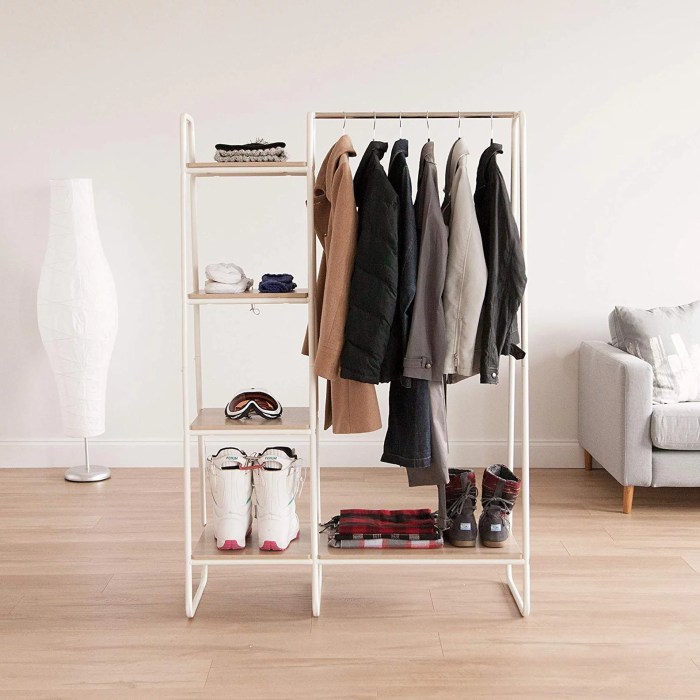
From optimizing space in various rooms to achieving a cohesive aesthetic, Marie Kondo drawer organizers provide a practical and personalized solution for decluttering and design. This guide has illustrated how to effectively utilize various organizing strategies, from budget-friendly options to advanced techniques, enabling readers to create their own tailored system for a truly organized and satisfying home environment.
